Spain Crowned 2026 World Cup Champions: Ferran Torres Extra-Time Strike Sinks Argentina in Thrilling Final
A Night to Remember at MetLife Stadium
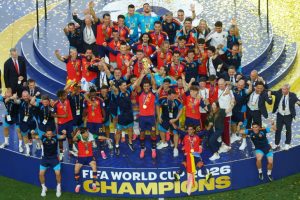
The 2026 FIFA World Cup reached its dramatic conclusion on Sunday, July 19, as Spain defeated defending champions Argentina 1-0 in a tense, captivating final at MetLife Stadium in East Rutherford, New Jersey. Ferran Torres etched his name into Spanish football folklore with a clinical 106th-minute strike that secured Spain second World Cup title, 16 years after their maiden triumph in South Africa in 2010.
In front of a capacity crowd of 82,500 and millions watching around the globe, the match delivered everything a World Cup final promises—drama, tension, tactical mastery, and ultimately, a moment of individual brilliance that separated two evenly matched sides.
First Half: Tactical Chess Match
From the opening whistle, both teams showed clear respect for each other attacking threats. Argentina, led by the legendary Lionel Messi in what many assumed would be his final World Cup appearance, controlled possession in the early exchanges. Spain, however, were organized and disciplined under pressure, with Rodri anchoring the midfield and breaking up Argentina rhythm.
Spain teenage sensation Lamine Yamal, who had electrified the tournament with his fearless runs, was tightly marked by Argentina defense. Despite limited space, Yamal movement created pockets that allowed Pedri and Gavi to find time on the ball.
Argentina best chance of the first half came in the 34th minute when Julian Alvarez broke through the Spanish backline, only to be denied by a sharp save from Unai Simon, who rushed off his line to smother the shot. The deadlock remained unbroken as the teams headed into the tunnel at halftime, the scoreline reading 0-0.
Second Half: Chances at Both Ends
The second half saw a noticeable shift in intensity. Spain came out with renewed purpose, pressing higher up the pitch and forcing Argentina into uncharacteristic errors. In the 58th minute, Pedro Porro fired a warning shot across Argentina bow—a powerful strike from the edge of the box that flew just wide of the post.
Argentina responded through Messi, who produced a trademark dribbling run in the 67th minute, weaving past three Spanish defenders before curling an effort toward the far post. Simon was again equal to the task, tipping the ball around the post with a fingertip save that drew gasps from the crowd.
As regulation time ticked toward its conclusion, both managers made tactical adjustments. Spain Luis de la Fuente introduced Ferran Torres in the 72nd minute, a substitution that would ultimately decide the fate of the trophy. Argentina Lionel Scaloni brought on fresh legs in attack, but the Spanish defense, marshaled by Aymeric Laporte and Robin Le Normand, remained resolute.
The 90 minutes ended with the score still locked at 0-0, sending the World Cup final into extra time for the third time in the last four tournaments.
Extra Time: Torres Delivers the Decisive Blow
Extra time began with both teams showing signs of fatigue, yet the quality on display never dipped. Spain continued to probe, while Argentina looked dangerous on the counter-attack.
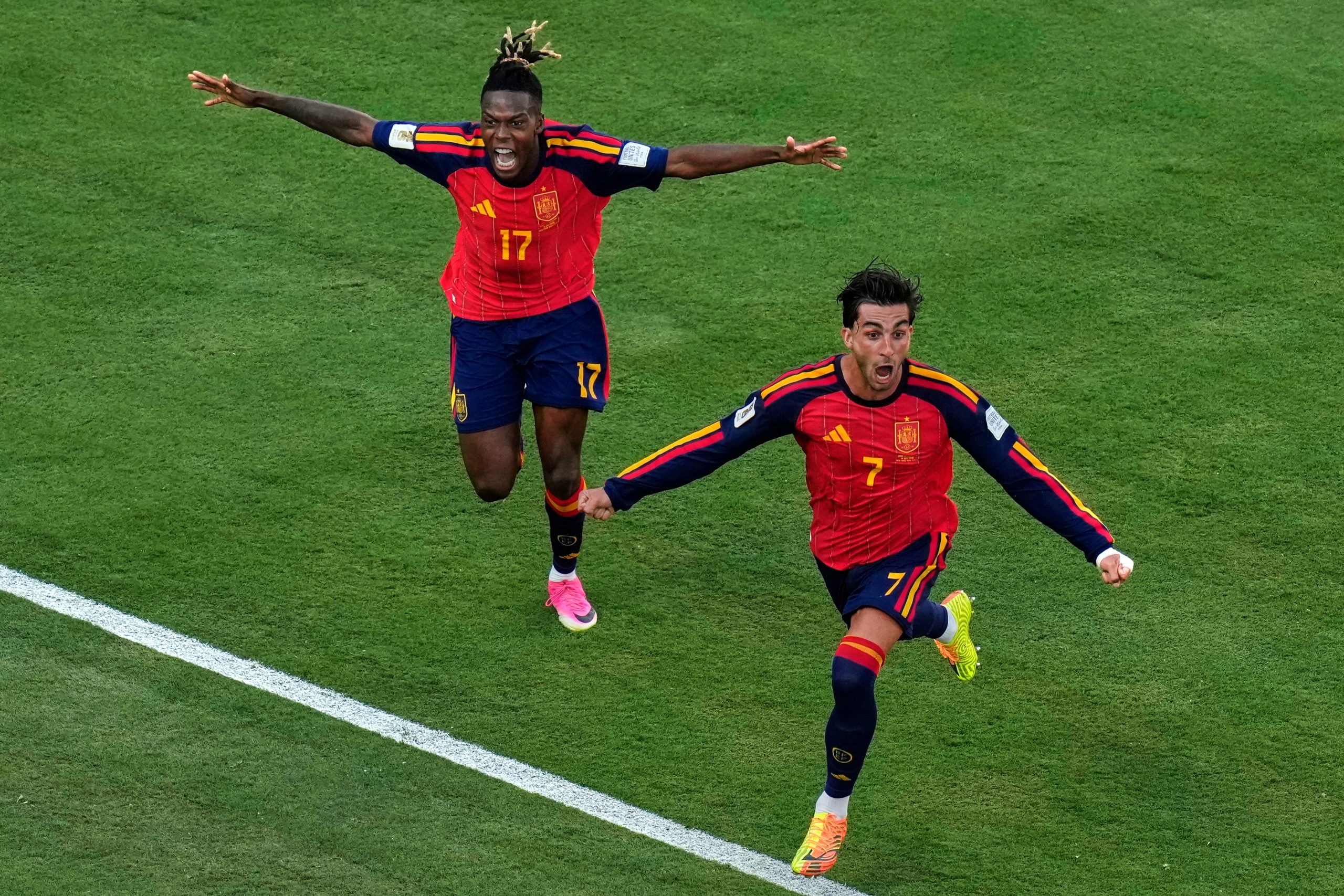
The moment of destiny arrived in the 106th minute. A sweeping Spanish move saw Dani Olmo collect the ball on the left flank, driving infield before slipping a perfectly weighted pass to Ferran Torres, who had made a clever run between Argentina center-backs. Torres took one touch to set himself, then unleashed a left-footed strike that arrowed into the top corner, nestling just under the crossbar. The MetLife Stadium erupted as Torres wheeled away in celebration, mobbed by his teammates.
Argentina pushed forward desperately in search of an equalizer, but Spain organization held firm. Messi had one final opportunity in the 119th minute—a free kick from a dangerous position—but his effort sailed over the wall and just over the bar. The final whistle sparked scenes of jubilation among the Spanish players and fans, while Argentina players collapsed to the turf, their title defense falling just short.
Spain Tournament of Growth
Spain path to glory was anything but straightforward. After navigating a challenging group stage that included a hard-fought draw against Germany, La Roja grew stronger with each knockout round. They dismantled Morocco in the Round of 16, edged past a stubborn Netherlands side in the quarterfinals, and produced a composed performance to beat France 2-0 in the semifinals in Dallas.
What set this Spanish side apart was their blend of experience and youthful exuberance. Rodri, named Player of the Tournament, was the metronome in midfield. Gavi and Pedri, both still in their early twenties, controlled games beyond their years. And Lamine Yamal, at just 19, announced himself on the global stage as one of football most exciting talents.
Messi Final World Cup Chapter
For Lionel Messi, the 2026 World Cup represented a chance to bookend his legendary career with back-to-back World Cup triumphs. Having finally lifted the trophy in Qatar 2022, the 39-year-old maestro fought valiantly throughout the tournament, scoring crucial goals and creating chances for his teammates.
While defeat in the final was a bitter pill to swallow, Messi legacy remains untarnished. His influence on this Argentina side was evident throughout the tournament, and he departs the World Cup stage having cemented his place as one of the greatest players ever to grace the game. Whether this marks his international retirement remains to be seen, but the football world was united in appreciation of his brilliance one last time on the biggest stage.
A World Cup for the History Books
The 2026 World Cup, co-hosted by the United States, Canada, and Mexico, will be remembered as one of the most memorable tournaments in history. The expanded 48-team format delivered drama from the group stages through to the final, with nations from every corner of the globe showcasing their talent.
Record attendance figures, stunning goals, and compelling narratives made this a tournament that captured the imagination of the sporting world. From Saudi Arabia shock run to the quarterfinals to Senegal historic first appearance in the semifinals, the expanded World Cup demonstrated the growing global reach of the beautiful game.
As the confetti settled on MetLife Stadium and Rodri lifted the golden trophy high above his head, Spain could reflect on a triumph built on technical excellence, tactical intelligence, and an unshakeable belief. They are worthy world champions, and football now looks forward to 2030, when the tournament will return to South America for the first time in over half a century.
Place your bets now at KY-MK — the premier destination for World Cup betting, live odds, and exclusive promotions. From match results to golden boot markets, KY-MK has you covered for every major sporting event. Sign up today and claim your welcome bonus!