Spain Win 2026 World Cup: Ferran Torres Heroics Down Argentina in Extra-Time Final
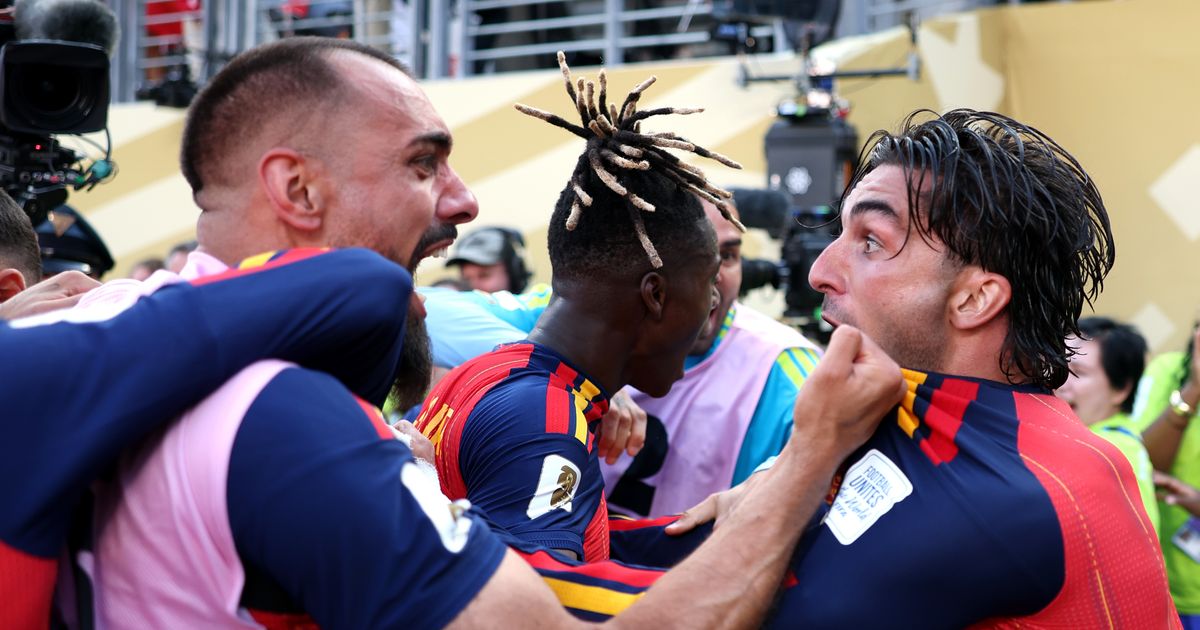
Spain Crowned World Champions for Second Time as Ferran Torres Strikes in Extra Time
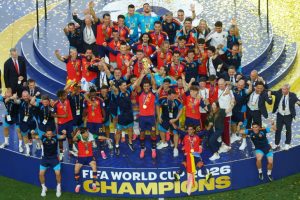
The 2026 FIFA World Cup reached its dramatic conclusion on Sunday, July 19, at MetLife Stadium in New Jersey, where Spain defeated defending champions Argentina 1-0 in extra time to claim their second world title. Ferran Torres emerged as the hero for La Roja, scoring the decisive goal in the 106th minute after a tense and tactically absorbing final that saw Argentina reduced to ten men.
The victory marks Spain’s first World Cup triumph since their historic 2010 campaign in South Africa and completes a remarkable redemption arc for a generation of Spanish footballers who have dominated European football but previously fallen short on the global stage. For Argentina and Lionel Messi, it was a heartbreaking end to a title defence that promised so much but ultimately crumbled under Spanish pressure at the defining moment.
A First Half Defined by Caution and Control
The opening 45 minutes were a study in tactical discipline rather than free-flowing entertainment. Spain dominated possession as expected, with Rodri orchestrating play from midfield and Lamine Yamal threatening on the right flank. However, Argentina’s deep defensive block, marshalled by Nicolas Otamendi and Cristian Romero, proved stubborn and well-organized.
Spain registered the first real chance of the match when Yamal cut inside from the right and curled a left-footed shot just wide of Emiliano Martinez’s far post. The Aston Villa goalkeeper, who had been instrumental in Argentina’s run to the final, was called into action shortly after to deny Dani Olmo from distance.
The first half saw the fewest shots (three, all for Spain) of any half in World Cup final history — a testament to the defensive solidity of both sides and the enormous stakes at play. Argentina, content to absorb pressure and hit on the counter, struggled to find any rhythm in the final third. Lionel Messi, at 39 years old and playing what is widely expected to be his final World Cup appearance, was crowded out by Spain’s midfield trio whenever he dropped deep to receive the ball.
Second Half: Spain Dominate but Cannot Break Through
The pattern continued after the interval, with Spain growing increasingly assertive. Luis de la Fuente’s side pushed higher up the pitch, pinning Argentina back in their own half for extended periods. Aymeric Laporte came close from a corner, his header forcing a sharp save from Martinez. The Argentina goalkeeper was proving unbeatable, producing another fine stop to deny Ferran Torres after a clever through ball from Pedri.
Controversy simmered beneath the surface as Alexis Mac Allister escaped punishment for a late, reckless challenge on Dani Olmo early in the half — a decision that reignited debate about Argentina’s perceived fortune with officiating throughout the tournament. The defending champions had benefitted from several contentious calls in previous rounds, including their round-of-16 victory over Egypt and the quarter-final clash with England.
As the clock ticked towards 90 minutes, the game appeared destined for extra time. Spain had been the better side by every measure — possession, chances created, territorial dominance — but Argentina’s resilience and Martinez’s brilliance kept them level.
Fernandez’s Moment of Madness Turns the Tide
Then came the defining moment of normal time. Deep into stoppage time, with just minutes separating the sides from extra time, Chelsea midfielder Enzo Fernandez launched himself into a reckless challenge on Pau Cubarsi near the halfway line. Already on a yellow card for dissent, the Argentine midfielder had no complaints when referee Szymon Marciniak produced a second yellow card followed by the red.
Fernandez was distraught — and with good reason. His dismissal left Argentina with a mountain to climb, forced to navigate at least 30 more minutes with ten men against a Spanish side growing in confidence. It was a moment of madness that undid so much of Argentina’s disciplined defensive work and effectively decided the final.
Extra Time: Spain Break Through
Spain thought they had taken the lead early in the first period of extra time when Nico Williams bundled the ball into the net through a crowd of bodies in the box. However, the goal was ruled out for a soft foul on Nicolas Otamendi, sparking furious Spanish protests and keeping Argentina alive.
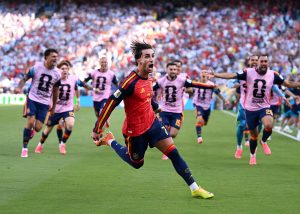
The breakthrough finally arrived in the 106th minute. A sweeping Spanish move carved Argentina open for the first time all night. Yamal — who had been a constant threat throughout — delivered a perfectly weighted cross into the box. Martinez, perhaps unsighted by the bodies in front of him, could only parry the ball into the path of Ferran Torres, who reacted quickest to stab the ball home from close range.
The MetLife Stadium erupted. Spanish players sprinted to the corner flag in celebration as Argentina’s players sank to their knees. Torres, the Barcelona forward who had endured his own struggles for form through parts of the tournament, had produced the most important goal in Spanish football since Andres Iniesta’s strike in the 2010 final.
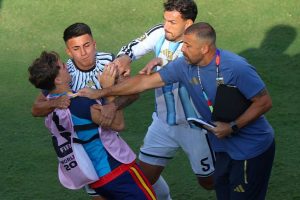
Argentina pushed forward desperately in the remaining minutes, finally registering their first shot on goal in the 117th minute through a long-range effort from substitute Angel Di Maria that sailed wide. Leandro Paredes was sent off after the final whistle for an altercation with Spanish players, compounding a miserable end to Argentina’s title defence.
Rodri: The Golden Ball Winner
Spain midfielder Rodri was awarded the Golden Ball as the tournament’s best player, capping a phenomenal campaign that saw him control games with his trademark composure, passing range, and tactical intelligence. The Manchester City star had been the metronomic heartbeat of Spain’s midfield throughout the tournament and was a deserving recipient of the individual honour.
Pau Cubarsi, the teenage Barcelona defender who had only broken into the Spanish side during the tournament, was named Young Player of the Tournament — a remarkable achievement for a player who will surely be a cornerstone of Spanish football for the next decade.
Messi’s Heartbreak and the End of an Era
For Lionel Messi, the defeat was devastating. The 39-year-old had carried Argentina to the final with moments of genius throughout the tournament, but Spain’s tactical discipline and physical intensity proved too much. After the match, Messi described the pain as “immense,” and with the 2030 World Cup almost certainly beyond him at 43, this represented the final chapter of his extraordinary international career.
“It’s incredibly hard to get there,” Argentina manager Lionel Scaloni said after the match. “You have to acknowledge that. We would have liked to win, but I only have words of gratitude for my players.”
For Spain, however, it is a moment of pure joy. The squad returned to Madrid to a heroes’ welcome, with millions lining the streets as the team paraded the trophy through the capital. Red flares engulfed the Madrid sky as fans celebrated their new heroes — a golden generation that has finally delivered on its immense promise.
Spain’s Road to Glory
Spain’s path to the final was impressive by any measure. They topped their group with maximum points before eliminating Morocco in the round of 16, dismantling Brazil in a statement quarter-final victory, and overcoming France in a tense semi-final. Their brand of possession-based football, combined with defensive solidity and tactical flexibility, proved too much for every opponent they faced.
The 2026 World Cup will be remembered as the tournament where Spain’s new golden generation announced themselves to the world. With talents like Yamal, Cubarsi, Pedri, and Torres still on the right side of 25, this may be the beginning of a sustained period of Spanish dominance in international football.
For neutrals, the tournament delivered unforgettable moments — from the 10-goal thriller in the bronze final between England and France to the incredible atmosphere across North America. But ultimately, it was Spain who wrote the final chapter, etching their name on the trophy for only the second time in their history.
KY-MK Betting: Your Premier Sports Wagering Destination
Relive every moment of the 2026 World Cup and place your bets on the upcoming football season with KY-MK — Asia’s most trusted sports betting platform. Whether you’re backing Spain to continue their dominance, predicting the next Ballon d’Or winner, or wagering on club football as the new season approaches, KY-MK offers the best odds, fastest payouts, and most comprehensive coverage of global football. Sign up today and claim your welcome bonus!